


Postpartum Depression Treatment in Greenville, SC: A Compassionate Path to Healing
Imagine sitting in your quiet Greenville home, holding your sleeping newborn, yet feeling an overwhelming sense of isolation instead of the joy you expected. You might be struggling with intrusive thoughts or a heavy fog that makes every day feel like an uphill battle. It's common to fear that sharing these feelings with a professional might lead to judgment. Please know that you aren't alone. In South Carolina, about 10.5 percent of women report experiencing depressive symptoms after a live birth. If you are searching for postpartum depression treatment greenville sc, you deserve a space where your voice is heard and your emotional safety is the priority.
We understand that the transition into motherhood is a monumental shift that requires more than just clinical checklists. You likely want to feel like yourself again and build a stable bond with your baby without the weight of anxiety. This guide will help you discover a compassionate path to healing through specialized care designed for your needs. We'll explore how initial psychiatric evaluations and medication management provide the stability you're looking for. You'll also learn about flexible options like telehealth that bring professional support directly to you, making it easier to start your new path to health on your own terms.
Table of Contents
Understanding Postpartum Depression in the Upstate
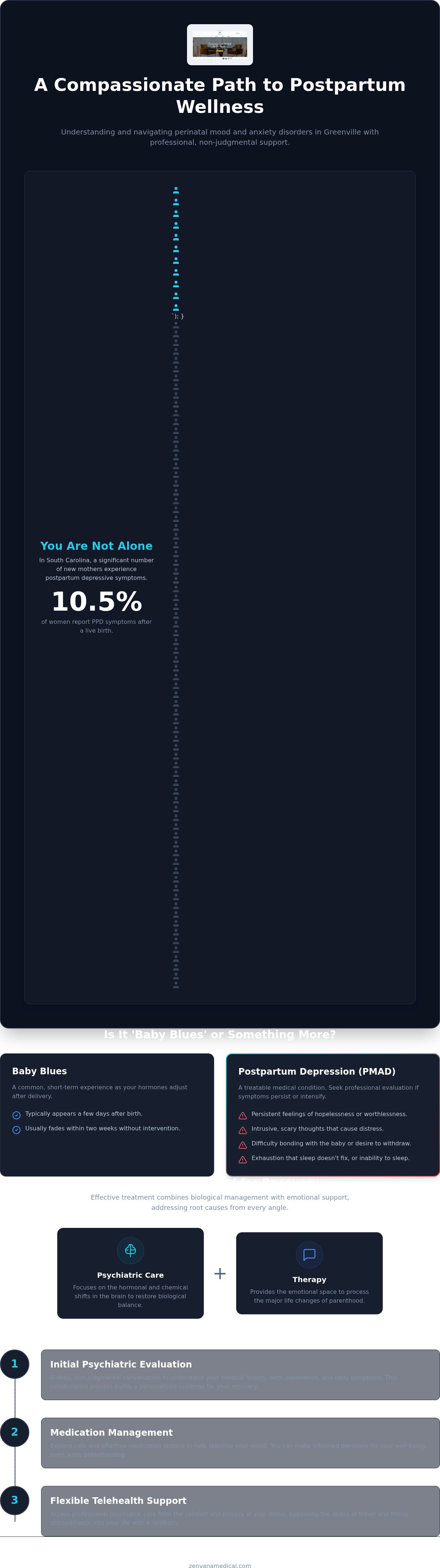
The transition into parenthood often brings a whirlwind of emotions that can feel impossible to manage alone. While many expectant mothers in the Upstate prepare for the logistics of a nursery, the emotional landscape after birth can be far more complex than anticipated. In South Carolina, approximately 10.5 percent of women with a recent live birth reported experiencing depressive symptoms according to data published in May 2026. This isn't a sign of weakness; it's a significant health concern that many mothers in our community face in silence.
When you're looking for postpartum depression treatment greenville sc, it's vital to understand that Perinatal Mood and Anxiety Disorders (PMADs) encompass more than just sadness. They can include intense anxiety, obsessive-compulsive thoughts, or a feeling of being completely disconnected from your surroundings. By Understanding Postpartum Depression as a spectrum of experiences, we can begin to remove the stigma that keeps so many Greenville moms from reaching out for the support they deserve.
Baby Blues vs. Postpartum Depression
The "baby blues" typically appear a few days after delivery and usually fade within two weeks as hormones begin to level out. However, if you find that your symptoms are persisting or growing more intense, you're likely experiencing something deeper. Postpartum depression is a treatable biological condition triggered by massive hormonal shifts and physical changes, rather than a reflection of your character or your ability to parent.
Signs that it's time to seek a professional evaluation include:
Persistent feelings of hopelessness or worthlessness that don't lift.
Intrusive, scary thoughts that make you feel like a "bad mom."
Difficulty bonding with your baby or a desire to withdraw from loved ones.
Physical exhaustion that sleep doesn't fix, or an inability to sleep even when the baby is resting.
The Impact of PMADs on the Family Unit
Maternal mental health doesn't exist in a vacuum; it radiates through the entire household. When a mother struggles, it can change the dynamic with her partner and influence the early developmental environment for the infant. Early intervention through specialized postpartum depression treatment greenville sc isn't just about the mother's recovery. It's an investment in the long-term wellness of the whole family.
Local care matters because it provides a familiar, accessible safety net where you're seen as a person first and a patient second. Seeking help early allows you to regain your footing and enjoy the moments you've worked so hard to create. You don't have to wait until you're in a crisis to ask for an ally in your healing process.
The Roadmap to Recovery: Psychiatric Care vs. Therapy
Many mothers are told that "talking it out" is the only solution to the heavy fog they feel after birth. While therapy is a vital tool for processing the major life changes of parenthood, it's often just one piece of the puzzle. Effective postpartum depression treatment greenville sc frequently requires a dual approach that respects both your mind and your biological health. Psychiatry focuses on the hormonal and chemical shifts occurring in your brain after childbirth, while therapy provides the emotional space to heal. This combination is widely considered the gold standard for recovery because it addresses the root causes of your distress from every angle.
Choosing a path that includes psychiatric care doesn't mean you're choosing a "quick fix" or ignoring your feelings. Instead, it means you're acknowledging that your brain is an organ that sometimes needs specialized support to regain its balance. By working with a professional who understands the intersection of biology and emotion, you can move away from cookie-cutter treatments and toward a personalized plan that honors your identity as a mother.
The Initial Evaluation: Your First Step to Clarity
Your journey begins with a deep, non-judgmental conversation. During an Initial Psychiatric Evaluation, we look far beyond just your current mood. We discuss your medical history, your specific birth experience, and the ways your symptoms are impacting your daily life. This isn't a clinical interrogation; it's a collaborative process to build a diagnostic framework that respects your personal goals as a mother. We prioritize your autonomy, ensuring that every step of the plan feels right for you and your family. By focusing on your specific needs, we can create a sustainable roadmap that helps you regain your sense of self and stability.
Why a Specialized Diagnosis Matters
It's easy to feel like you're just "failing" at motherhood, but a specialized diagnosis provides a different perspective. There's a significant difference between postpartum depression, postpartum anxiety, and postpartum OCD. For instance, obsessive checking or intrusive thoughts might point toward OCD rather than depression. A specialist who understands perinatal health helps you identify the specific "flavor" of your struggle. According to the Office on Women's Health, finding the right treatment for postpartum depression starts with being heard by someone who understands these nuances. When you feel truly understood, the prospect of engagement feels manageable rather than overwhelming. If you're ready to explore how a personalized plan can help you find your balance again, you can learn more about our Initial Psychiatric Evaluation process.
Medication Management and Breastfeeding Safety
For many new mothers, the idea of taking medication while breastfeeding feels like a direct conflict with their desire to protect their child. It's the most common concern we hear during our consultations for postpartum depression treatment greenville sc. You shouldn't have to choose between your mental stability and your breastfeeding goals. Modern psychiatric care offers a variety of paths that prioritize both your recovery and your infant's health, allowing you to find the biological balance necessary to bond with your baby.
We approach these conversations with the warmth and transparency you deserve. The goal isn't just to manage a condition, but to help you regain your sense of self so you can fully participate in your life. By addressing the chemical shifts that occur after birth, we can move you toward a state where you feel grounded and capable. When your mind feels safe, the rest of your recovery often follows more naturally.
Safe Pharmacological Options for New Mothers
When we discuss Medication and therapy options, we look at the specific science of how different treatments interact with lactation. Selective Serotonin Reuptake Inhibitors (SSRIs) are frequently used because they've been extensively studied and often show very low levels of transfer into breast milk. We perform a careful risk-benefit analysis together, weighing the potential for minor medication exposure against the very real risks of untreated maternal depression on your family's wellness. It's important to remember that medication is often a gentle bridge to wellness rather than a lifelong requirement.
The Importance of Ongoing Clinical Oversight
Clinical support doesn't end with a single prescription. Our Medication Management sessions are designed to be a collaborative space where we monitor your progress and adjust dosages as your hormones naturally shift. This ongoing oversight is critical because your body's needs change significantly in the months following delivery. We stay in close contact to monitor for any side effects and ensure you're always on the lowest effective dose to achieve stability. This careful, individualized approach helps you transition from simply surviving each day to truly thriving in your new role. If you feel like you've been struggling in silence, seeking professional postpartum depression treatment greenville sc can provide the clarity and relief you've been looking for.
Accessing Help in Greenville: Telehealth and Local Support
Loading a stroller, packing a diaper bag, and timing a drive across Greenville between feedings can feel like an impossible hurdle when you're already struggling. For many new mothers, the logistical stress of attending an in-person appointment is enough to prevent them from seeking the postpartum depression treatment greenville sc they need. We believe that professional support should adapt to your life, not the other way around. By removing the barriers of travel and childcare, we ensure that your energy stays focused on your healing and your family.
Booking your first step toward recovery in the Greenville or Simpsonville area is designed to be a straightforward, inviting process. It begins with a simple reach-out to establish a connection with a clinical team that acts as your ally. From there, we guide you through the initial steps, ensuring you feel heard and understood before your first session even begins. This collaborative approach lowers the pressure, making the commencement of your new path to health feel manageable rather than overwhelming.
Telehealth: Mental Health Care from Your Living Room
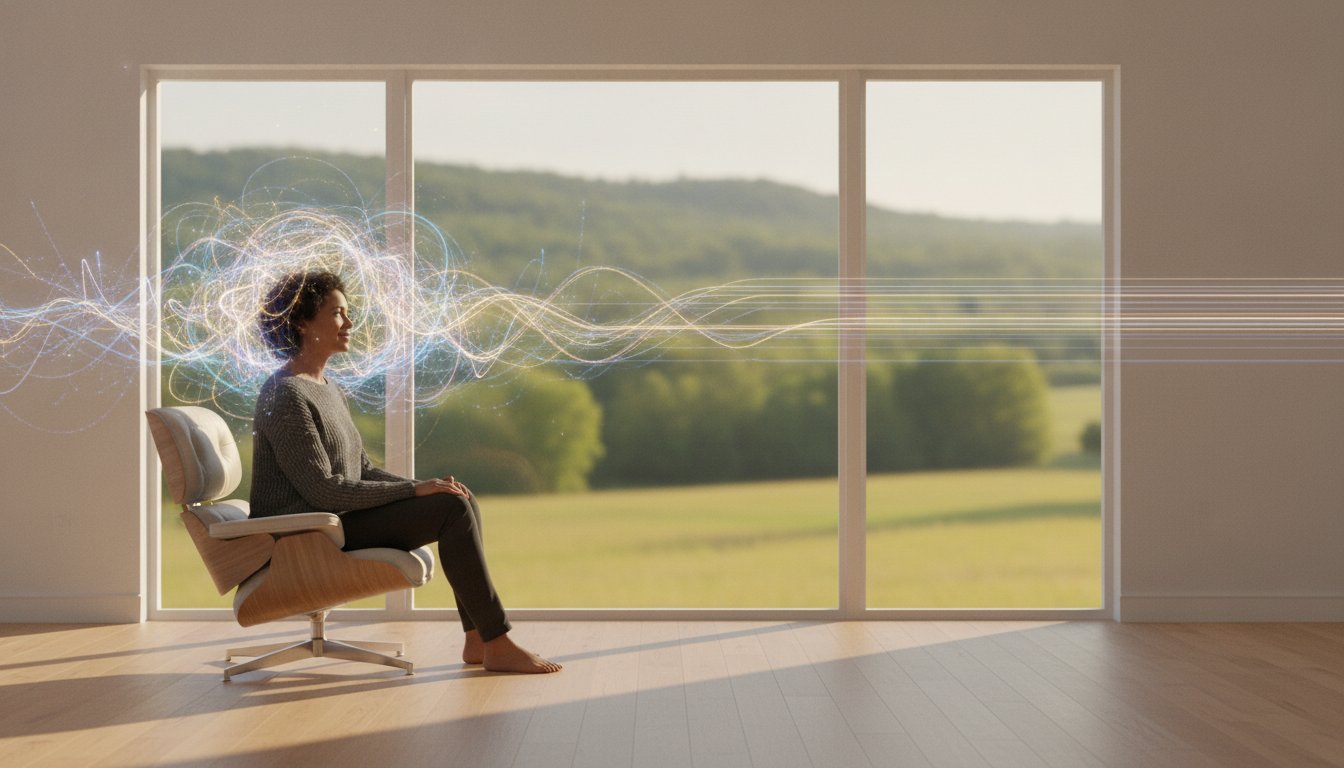
Telehealth has revolutionized how mothers access specialized psychiatric care. Instead of navigating traffic on Woodruff Road or searching for parking, you can engage in a secure, private consultation from the comfort of your own sofa. Receiving care in your own environment often leads to a greater sense of emotional safety and openness. You don't have to worry about a crying baby in a waiting room or the anxiety of being in a clinical office. ZenVana uses secure, user-friendly platforms to provide remote psychiatric services that maintain the highest standards of privacy and dignity. To prepare for your first remote session, all you need is a quiet corner, a reliable internet connection, and a few moments to yourself while your little one rests.
Building Your Greenville Support Network
Recovery rarely happens in isolation, and our Upstate community offers wonderful resources to complement your professional care. Connecting with local organizations like "Greenville Cares" can provide additional layers of maternal health advocacy and peer support. We also emphasize the role of partners and family members, as they are your primary daily support system. Part of our work involves helping you create a comprehensive "Postpartum Plan" that integrates professional postpartum depression treatment greenville sc with local community resources. This holistic approach ensures that you have a 360-degree safety net as you find your balance again. If you're ready to start this journey without the stress of leaving your home, reach out to schedule your initial evaluation today.
Why ZenVana Medical is the Ally You Need
In a healthcare landscape that often feels cold and transactional, ZenVana Medical offers a different kind of experience. We don't see you as just another patient in a high-volume clinical system; we see you as a person navigating one of life's most profound and vulnerable transitions. Our philosophy for postpartum depression treatment greenville sc is built on the foundation of a collaborative partnership. We believe you are the expert on your own life and body, and our role is to serve as a supportive guide on your journey toward mental clarity and emotional stability. By prioritizing your autonomy and dignity, we ensure that every aspect of your care feels like a choice you've made for your own well-being.
Our team specializes in the unique nuances of perinatal mood disorders, moving beyond generic labels to understand the specific biological and emotional factors at play. We are deeply committed to cultural competence and inclusive care for all Greenville families. This includes a unique focus on providing support that respects regional dialects and cultural identities, ensuring you feel truly heard and understood in your own voice. We advocate for a person-centered approach where your identity as a mother is honored and your mental health is treated with the specialized expertise it requires.
A Nurturing Environment for New Mothers
From the very first phone call, our priority is your emotional safety. We've intentionally designed a private practice setting that avoids the sterile, detached atmosphere of large hospital systems, opting instead for a warmth that validates your feelings without judgment. This individualized focus allows us to spend more time understanding the nuances of your specific situation, ensuring that your treatment plan is as unique as your family. We aren't just looking for a temporary fix; we're committed to your long-term well-being and the restoration of your joy. This personalized attention creates an atmosphere where you can feel immediately accepted, lowering the barrier for those who might feel hesitant about seeking professional help.
Taking the First Step Toward Your New Path
If you're reading this, you've already completed the most difficult stage of the process. Acknowledging that you need support is a brave act of advocacy for yourself and your baby. Our team is here to catch you and provide the grounding you need to move forward. When you reach out, you can expect a responsive, patient, and inclusive team ready to walk beside you. We'll handle the practicalities of your care so you can focus on healing. You deserve to feel like yourself again, and that journey starts with a single, simple conversation. Schedule your initial evaluation at ZenVana Medical today.
Reclaiming Your Joy and Balance
The journey through motherhood is often different than the pictures we see online, but you don't have to settle for a life clouded by persistent sadness or intrusive thoughts. We've explored how understanding the biological roots of your experience can lift the weight of shame, allowing you to see your struggle as a treatable health condition rather than a personal flaw. By choosing specialized postpartum depression treatment greenville sc, you're giving yourself the permission to prioritize your own well-being alongside your baby's needs.
Whether you're looking for the stability of medication management or the convenience of flexible telehealth appointments, a path forward exists that respects your time and your dignity. Our compassionate, non-judgmental psychiatric specialists are here to act as your allies, providing personalized treatment plans tailored to your specific life in Greenville. You've already shown incredible strength by seeking information and recognizing that you deserve to feel better. Now, it's time to take the next step toward the mental clarity and peace you've been missing. Begin your journey to healing with ZenVana Medical today. You aren't alone, and a brighter, more balanced tomorrow is well within your reach.
Common Questions About Postpartum Care
Is postpartum depression treatment covered by insurance in Greenville?
Postpartum depression treatment is frequently covered by major insurance plans, although your specific benefits will depend on your individual policy. We recommend contacting your insurance carrier directly to verify your mental health coverage and any potential out-of-pocket costs. Our team can provide the necessary documentation to help you navigate this process. Ensuring financial clarity is part of our commitment to your emotional safety, allowing you to focus entirely on your path to healing.
How soon can I expect to feel better after starting PPD treatment?
Recovery is an incremental process, and the timeline for feeling better varies based on your specific symptoms and treatment plan. Some mothers notice a lift in their mood within two to four weeks of starting medication or therapy, while for others it may take longer. We use regular medication management sessions to monitor your progress and make necessary adjustments. Consistency and active participation in your care are key to regaining your emotional stability and joy.
Can I bring my baby to my psychiatric appointments at ZenVana?
We welcome your baby at your appointments because we understand the challenges of finding reliable childcare for a newborn. Our goal is to lower the barriers to care, making the process feel manageable rather than overwhelming. If you prefer the convenience of staying home, our telehealth options are a wonderful alternative. Whether you're in our office or on a video call, we prioritize a non-judgmental environment where you can attend to your baby's needs freely.
What is the difference between postpartum depression and postpartum psychosis?
Postpartum depression typically involves persistent sadness, exhaustion, and anxiety that interfere with daily life. Postpartum psychosis is a much rarer and more severe condition that includes hallucinations, delusions, or extreme confusion. While PPD can be managed through outpatient postpartum depression treatment greenville sc, psychosis is a medical emergency that requires immediate intervention. If you or a loved one are experiencing a break from reality, please contact emergency services or visit the nearest crisis center immediately.
Do I have to take medication if I seek help for PPD?
Medication is never a requirement, and you always maintain full autonomy over your treatment path. While many mothers find that medication management provides the biological stability they need to thrive, we also respect those who prefer to start with other interventions. During your initial psychiatric evaluation, we'll discuss all available options, including therapy and holistic approaches. We work as your collaborative partner to design a personalized plan that feels safe and right for your specific journey.
How do I know if my "baby blues" have turned into postpartum depression?
The "baby blues" are common and usually fade within ten to fourteen days after delivery as your hormones begin to level out. If your feelings of sadness, irritability, or anxiety persist beyond two weeks, or if they make it difficult to care for yourself, you may be experiencing PPD. Seeking postpartum depression treatment greenville sc early allows you to address these symptoms before they become overwhelming. A professional evaluation can provide the clarity and support you need to move forward.
Is telehealth as effective as in-person visits for postpartum care?
Telehealth is highly effective and has become a preferred option for many new mothers in the Upstate. It provides the same high level of clinical care as in-person visits while eliminating the stress of travel and newborn logistics. Being in your own environment can actually enhance the session by making you feel more relaxed and open. Our secure platforms ensure your privacy is protected, allowing you to receive professional support without ever having to leave your living room.
What should I do if I am having intrusive thoughts about my baby’s safety?
Reach out for professional support immediately if you're experiencing scary or intrusive thoughts. These are distressing but common symptoms of perinatal mood disorders and don't make you a bad mother. It's important to share these feelings in a non-judgmental space where you can be heard and understood. We provide a safe environment to help you process these thoughts and develop effective coping strategies. Reaching out is a brave first step toward finding peace.


Comments